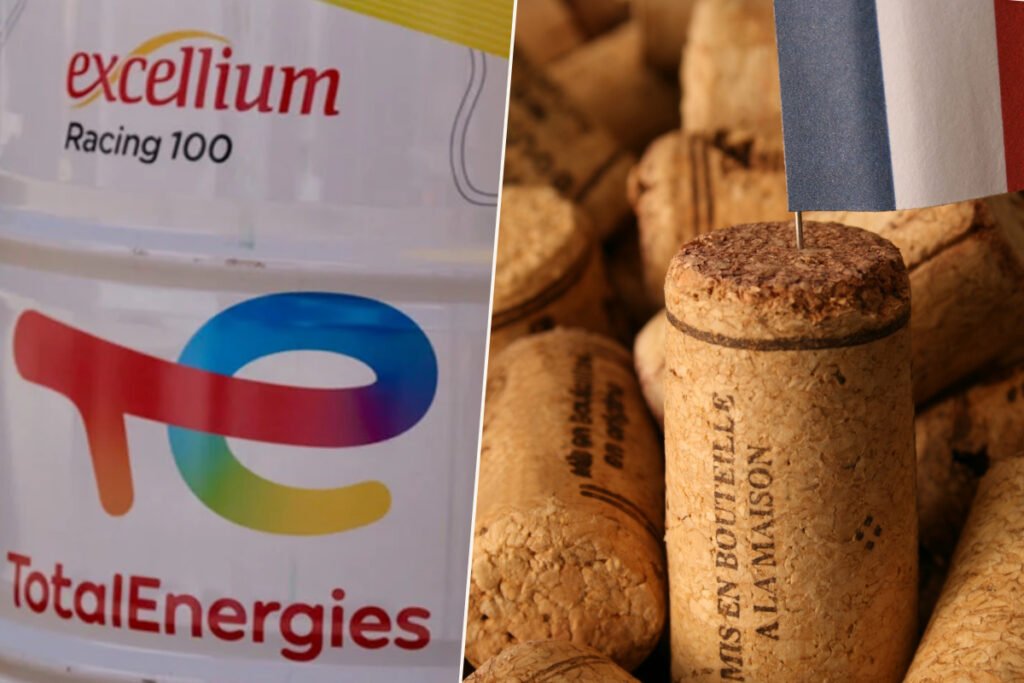
Yes, you are reading it right. In the last years, 24 Hours of Le Mans wasn’t only about exciting racing and dramatic on-track moments. The race has transformed into an arena for innovation, primarily thanks to the Le Mans fuel that really was made from wine waste.
Desire to make fuel excel in both performance and sustainability is a relatively novel concept. First big launch that at least to some extent checked all the boxes came over seven years ago.
In 2019, WEC’s exclusive supplier TotalEnergies introduced Excellium Endurance. This fuel contained 10% ethanol of renewable origin and 5% bio-hydrocarbons. As it soon turned out, it was just beginning.
Three years later, Excellium Racing 100 made its debut as the official Le Mans fuel.
The most French fuel ever
France is famous for its wine. The local wine industry was responsible for over €22.5 billion revenue in 2023. That’s a lot of money – and plenty of wine as well. However, there is one major downside of large-scale production like that.
Every bottle and barrel leaves waste behind. We are talking about thousands of tons of grape pomace and lees.
TotalEnergies found a way to turn those residues into something useful and exciting for racing.
Instead of being thrown away, wine waste was turned into bioethanol. It was later mixed with oxygenate gasoline additives from other circularly-sourced feedstock.
The final product was Excellium Racing 100 – 100% renewable Le Mans fuel.
Sustainable competition with Le Mans fuel
As mentioned, WEC introduced Excellium Racing 100 in 2022. Four full seasons of racing is a respectable sample, based on which robust conclusions can be drawn.
The most vital news is there are no signs of slowing down. Hypercars are not only fast, but also reliable.
Since introducing sustainable fuel, WEC hasn’t recorded any unusual deviance from a regular number of technical problems. Naturally, retirements and accidents happen, but new Le Mans fuel is not the one to blame.
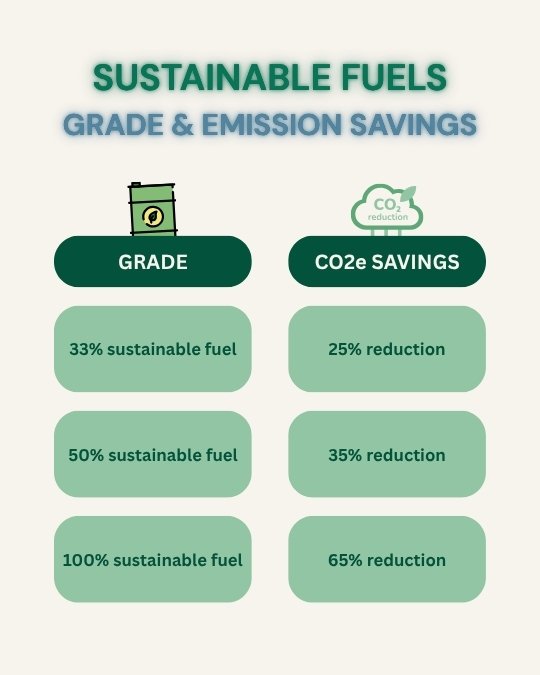
Last but not least, Excellium is simply a more environmentally-sound alternative. Compared to traditional fossil fuel, it reduces GHG emissions by at least 65%. Compliance with the latest EU Renewable Energy Directive (RED) additionally elevated its credibility. And to think it was largely down to a wine waste!
Le Mans fuel. What’s next?
Excellium Racing 100 retired by the end of the 2025 season in WEC. Its legacy, however, lives on. For 2026 and beyond, TotalEnergies introduced Excelium Racing Evo, an EVOlution of its predecessor.
Both fully sustainable, both reducing GHG emissions by at least 65%, but what sets Evo apart is flexibility.
Excelium Racing Evo not only can be produced from wider range of feedstocks – stretching from used cooking oils all the way to brewery waste – but is also suited for a wide range of engines. Everything from naturally aspirated V12s to turbocharges hybrid V6s powertrains will work well with this Le Mans fuel.
In motorsport there are no final solutions. Technologies we know today are constantly evolving. Sustainable fuel is no different.